New York will collect more than $12 million from General Motors after the automaker secretly sold drivers' location and behavior data to insurance companies for years.
The settlement, announced Oct. 29 by Attorney General Letitia James, landed as Waymo, facing questions about how it handles data, pushes to bring its robotaxi fleet to new U.S. cities. Waymo’s Ojai robotaxi uses a vehicle supplied by Zeekr, a brand owned by Geely Holding Group, and carry cameras and sensors that collect far more data than a typical passenger car.
What GM did
GM enrolled millions of drivers in its Smart Driver program between 2016 and 2024. The program tracked how often people drove, trip start and end times, hard braking, rapid acceleration and speeding. Over 700,000 New York drivers were enrolled.
GM told drivers the program would help them improve their safety and said it would not share data with insurers without consent. James and a bipartisan coalition of 35 other attorneys general found GM sold the data to brokers under contracts specifying insurance use. Brokers then sold it to insurance companies, which could adjust premiums based on driving habits.
GM's own OnStar app told more than 370,000 drivers they were not enrolled in Smart Driver when they actually were. GM later quietly unenrolled those drivers but left their data with the brokers and insurers.
James said GM collected data on customers' driving habits without their knowledge and then sold it, potentially affecting their insurance rates. Under the $220 million multistate settlement, GM must limit the driving data it collects and establish both in-house and third-party privacy assessment programs. GM must also implement oversight and training at dealerships to prevent employees from enrolling customers without consent.
Waymo's Chinese-built fleet
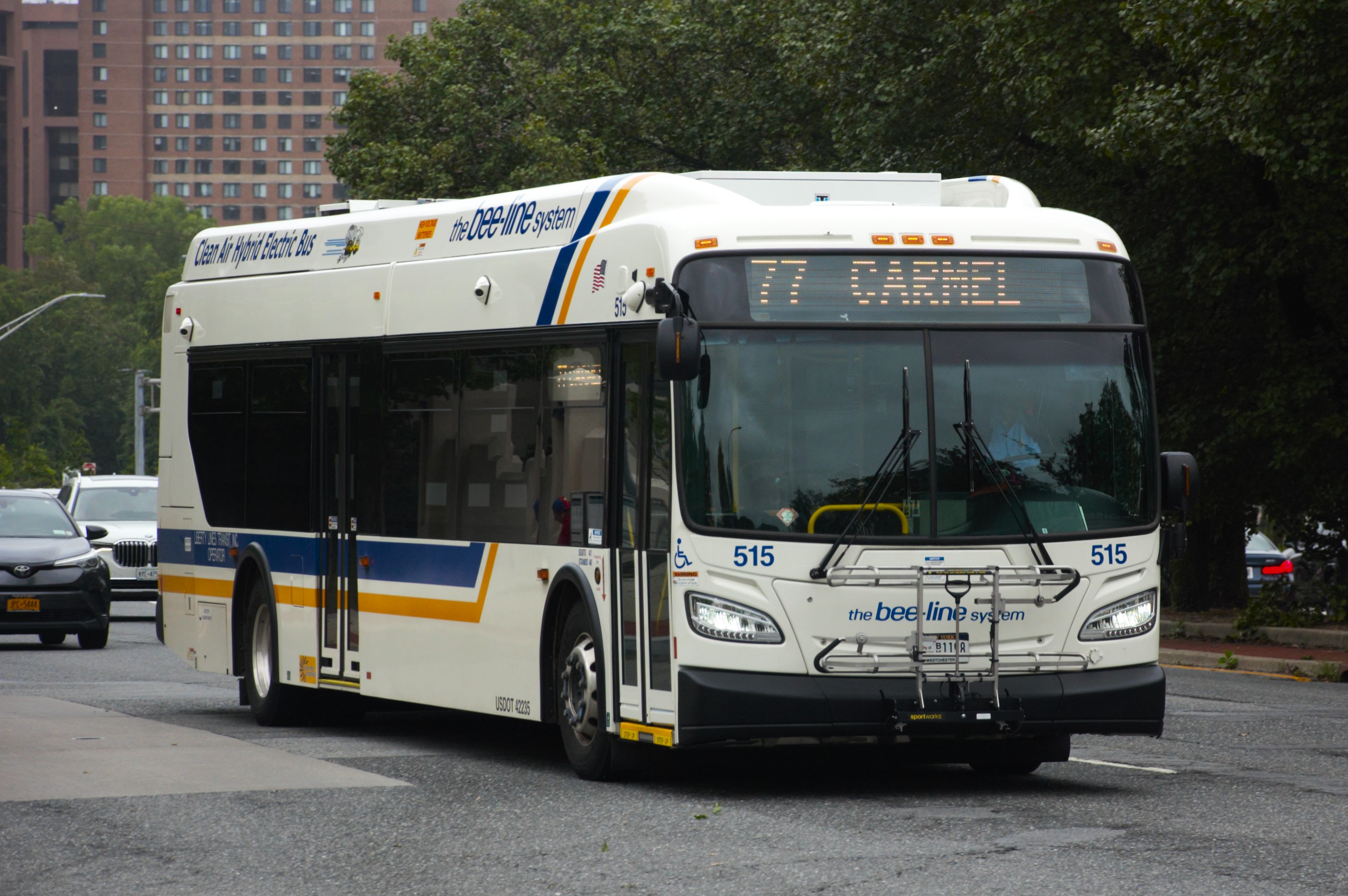
Waymo's newest robotaxi, the Ojai, is produced in China by Zeekr. According to Telemetry Agency, a Waymo spokesperson said Zeekr ships the base vehicle from its Chinese factory with no connectivity hardware or sensors. Waymo and Tier 1 supplier Magna International then install U.S.-designed connectivity hardware, computing equipment and proprietary sensors at a factory in Mesa, Ariz.
A Waymo spokesperson told Telemetry that the arrangement complies with the U.S. Commerce Department’s Connected Car Rule. Federal restrictions on covered software and certain Chinese- or Russian-linked vehicle manufacturers begin with model year 2027. Restrictions on covered vehicle-connectivity hardware begin with model year 2030, or Jan. 1, 2029, for components without a model year, according to the Commerce Department.
Not every Geely brand cleared that bar. Polestar, another Geely brand, announced in June 2026 it was withdrawing from the U.S. market as of 2027 because of the rule, according to Telemetry Agency. Volvo, also owned by Geely, received a waiver.
Waymo said on its company blog in May 2026 that the Ojai is the first vehicle to carry its sixth-generation autonomous driving system. The company said it is scaling production at the Mesa factory toward tens of thousands of units per year. Select riders in San Francisco, Phoenix and Los Angeles were offered free Ojai rides first, with Denver, Las Vegas and San Diego planned before a wider rollout.
What's missing
The GM case showed New York can act after a company mishandles vehicle data. What the available public record does not show is whether any New York state or city agency has proposed specific requirements for robotaxi operators covering camera access, location-data retention, software audits or independent verification that foreign governments cannot reach the data these vehicles collect.
Waymo's self-reported compliance with the Connected Car Rule addresses hardware sourcing. It does not address who can access the vast trove of street-level camera footage and passenger trip data a robotaxi fleet generates, or how regulators would verify those protections independently.
In its May announcement, Waymo said its autonomous-driving system had provided more than 20 million fully autonomous trips across more than 11 cities.