The Rye Nature Center is preparing to break ground on three projects in 2027 that its leaders say will reduce flooding damage along Blind Brook, replace a cramped entrance and add a new education building to the 47-acre park.
Christine Siller, executive director of the Friends of Rye Nature Center (FRNC) since 2009, laid out the plans on a Nov. 5 MyRye.com podcast hosted by Doug French.
Blind Brook restoration
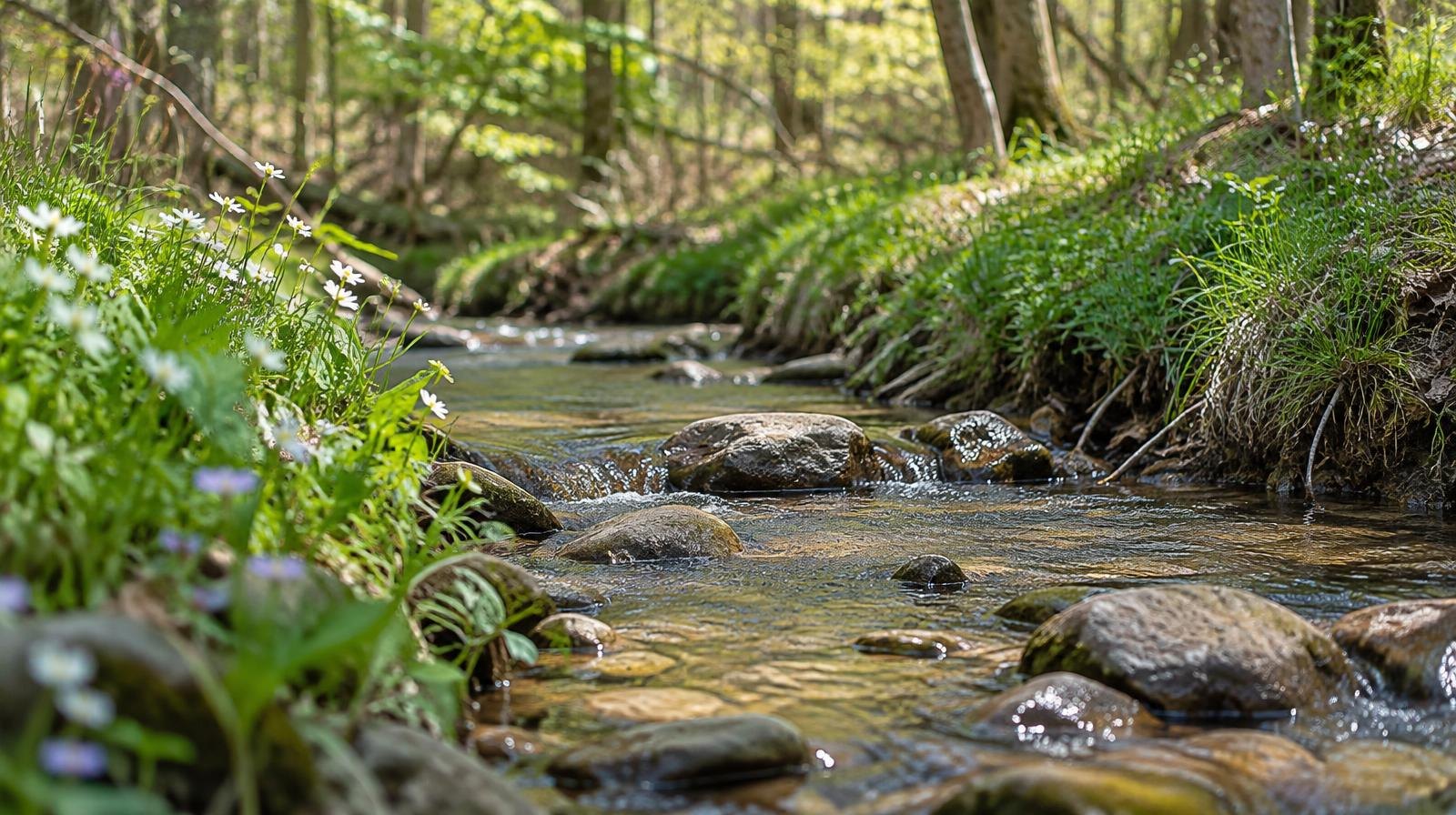
The largest effort targets a 1,600-foot stretch of Blind Brook that winds through the park.
More frequent, intense storms have eroded the brook's banks, sent sediment downstream toward Long Island Sound and allowed invasive plants to crowd out native species, according to the FRNC project page.
The restoration will stabilize banks, remove invasive ground cover, plant natives, restore wetlands and modify the streambed to slow water flow.
On the podcast, Siller said the work would cut sediment entering the brook by 70%, or about 228 tons a year. FRNC's project page puts the downstream sediment reduction at about 160 tons.
The project is fully funded by $723,631 from the New York State Department of Environmental Conservation's Water Quality Improvement Program and $443,166 from the National Fish and Wildlife Foundation's Long Island Sound Futures Fund, according to FRNC.
Planning and design have been underway with engineering firm Barton & Loguidice since 2022.
FRNC originally targeted late summer to early fall 2026 to begin construction and planting. Siller told French the work will now start in late spring or early summer of 2027.
Siller said on the podcast that the project would stop soil from entering the brook at the Nature Center site.
She added that FRNC hopes to model the restoration so other entities along river areas can learn how to do similar work.
New entrance driveway
A second project will build a new two-way driveway into the park. Siller said the center's only current entrance crosses a narrow masonry bridge from the early 1800s that sits in the floodway.
She said the park needs to be proactive about ensuring access given the frequency of flooding events.
The new driveway will run from the snow lot adjacent to Rye High School and connect with the existing road inside the park.
Siller said the driveway crew and the brook restoration team may work simultaneously in 2027.
Wachenheim Center for Environmental Education
The third project is a 4,500-square-foot education center funded by a $2 million gift from the Sue and Edgar Wachenheim Foundation.
The donation, first reported by the Rye Record in October, also launched FRNC's Living Legacy Campaign, which invites public contributions toward the driveway and other improvements.
The Wachenheims have lived in Rye for more than 40 years. The building will replace the current facility, an old carriage house that Siller said was never intended to serve as a nature center.
It will include a visitor center and flexible classroom space, according to Siller and FRNC.
James Engerran, president of FRNC's board of directors, said in a statement reported by MyRye.com that the new center "will give FRNC the space to expand our programs while strengthening our ability to care for this special 47-acre park."
Why it matters locally
FRNC says the park reaches more than 50,000 people a year through camps, school visits, its forest preschool and outreach programs.
Annual program use grew more than 66% from 2019 to 2025, according to FRNC.
The nonprofit employs 25 to 26 staff during the school year and hires 50 to 60 local high school and college students each summer, Siller said.
Siller noted that nature-based solutions along the brook were among the interventions identified in a study by Ramble Engineering as part of Rye's comprehensive planning process.
The brook restoration, she said, could help reduce the sediment that contributes to dredging needs at the boat basin downstream.