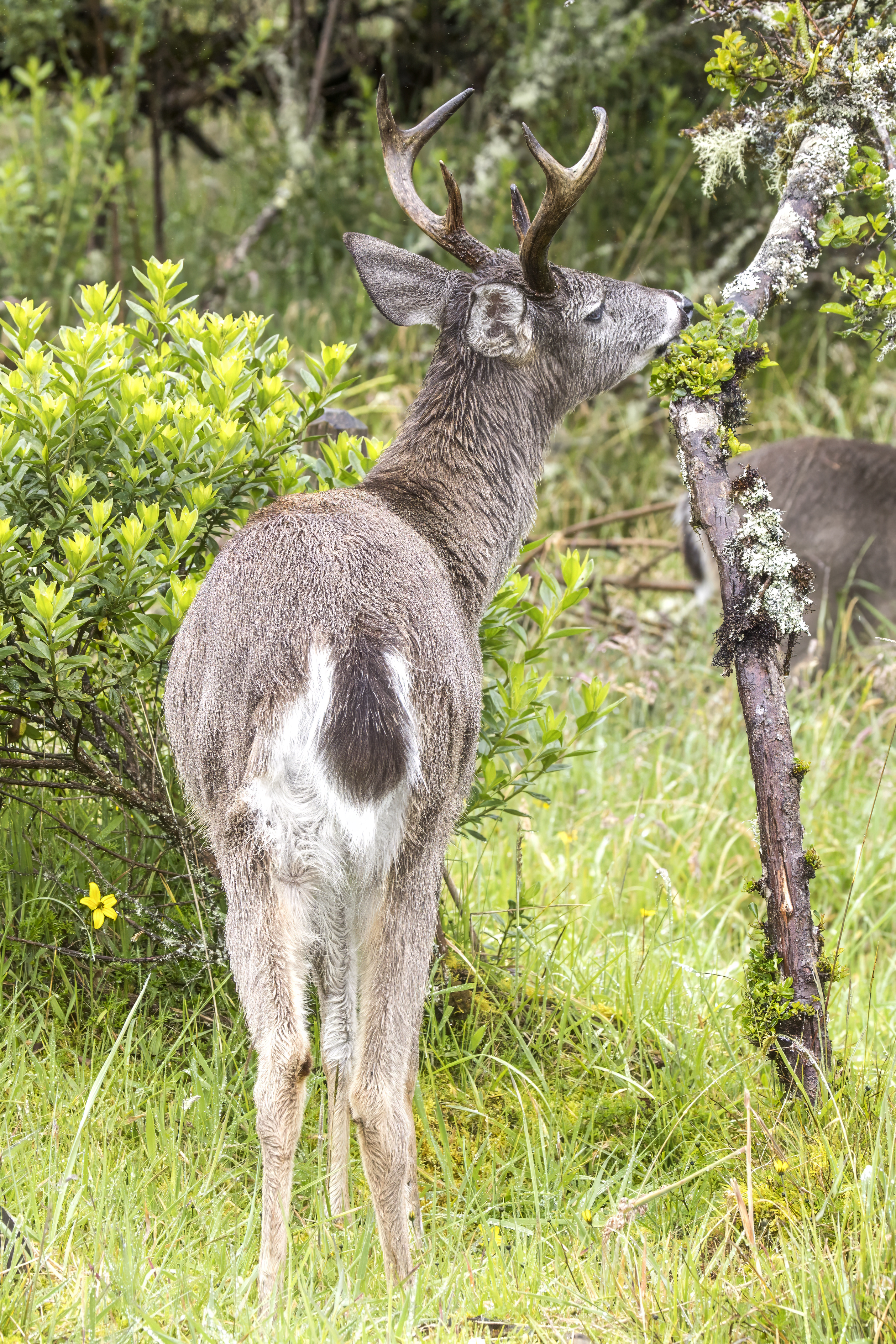
A thermal-imaging drone survey counted 191 deer in Rye's wooded areas before this spring's fawning season, yielding an estimated density of 256 deer per square mile.
That's more than 10 times the 20-to-25-per-square-mile threshold the National Park Service considers healthy for forests and wildlife.
The numbers raise direct public safety concerns about vehicle collisions and tick-borne disease. They come from the City of Rye Deer Management Committee, which chair Ryan Fitzpatrick outlined in a MyRye.com podcast published Thursday, Aug. 6. The committee, which held its first meeting Aug. 26, 2025, has not yet made any recommendation to the City Council.
What the committee is studying
Fitzpatrick described a three-part scientific framework: the drone count, a forest health study being conducted by Dr. Begley-Miller through August with results expected in September, and community conflict metrics including vehicle collisions, Lyme disease incidence and garden damage.
The drone flew midday, when deer bed down in wooded cover, over a patchwork of properties including the Marshlands, Edith Reed, the Nature Center, Glen Oaks, Rye Gardens, Milton Point and the Kirby area. The 256-per-square-mile figure applies to the surveyed area, not all of Rye's roughly five square miles. Deer move freely across borders into Harrison, Mamaroneck and neighboring communities.
The count was conducted before fawning season. Fitzpatrick noted that fawns are now visible at the Marshlands, Edith Reed and the Nature Center, meaning the actual population has grown since the survey.
What state law allows and doesn't
Relocating deer is illegal in New York. Sterilization won't happen either.
"Sterilization is not going to happen for the city of Rye — and that's from the DEC," Fitzpatrick said. "That's not the committee deciding that. That's the DEC saying it's just not gonna happen, guys."
The state Department of Environmental Conservation told the committee it would only approve sterilization if tied to a scientific study examining something unique about the deer's biology, and only if culling occurred alongside it.
Two tools remain on the table: a Deer Management Access Permit, which allows managed hunting on specific properties during open seasons, and a deer damage permit. Both require DEC approval and detailed justification. The committee has not decided to pursue either.
Lyme disease connection is indirect
Deer don't carry Lyme disease. They carry a protein in their blood that actually stops the bacterium. Black-legged ticks use deer as hosts for the large blood meal they need to reproduce, but the ticks pick up Lyme from mice and other small mammals.
Fitzpatrick said that to meaningfully reduce tick populations through deer reduction, the herd would need to drop to about 15 per square mile. He called that level of reduction unlikely to be viable for Rye.
Lyme disease incidence in Rye is tracked by the Westchester County Health Department, not the city.
What comes next
The committee expects Begley-Miller's forest health report in September. After reviewing those results, it will make a recommendation to the City Council, which Fitzpatrick said would likely hold a public hearing before any decision.
Residents can submit input through the City of Rye's Engage platform. Fitzpatrick said he reads all submissions and the committee discusses them. No next meeting date has been announced.