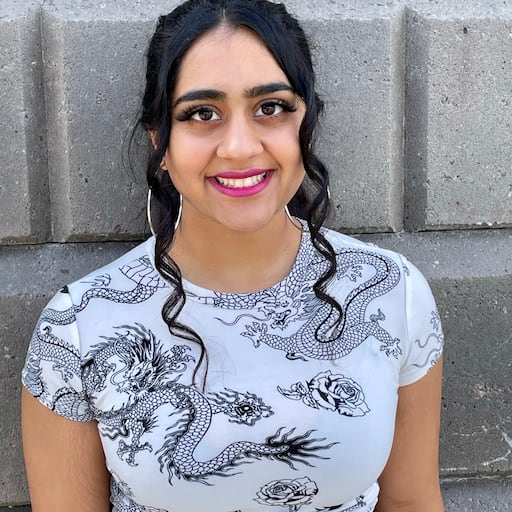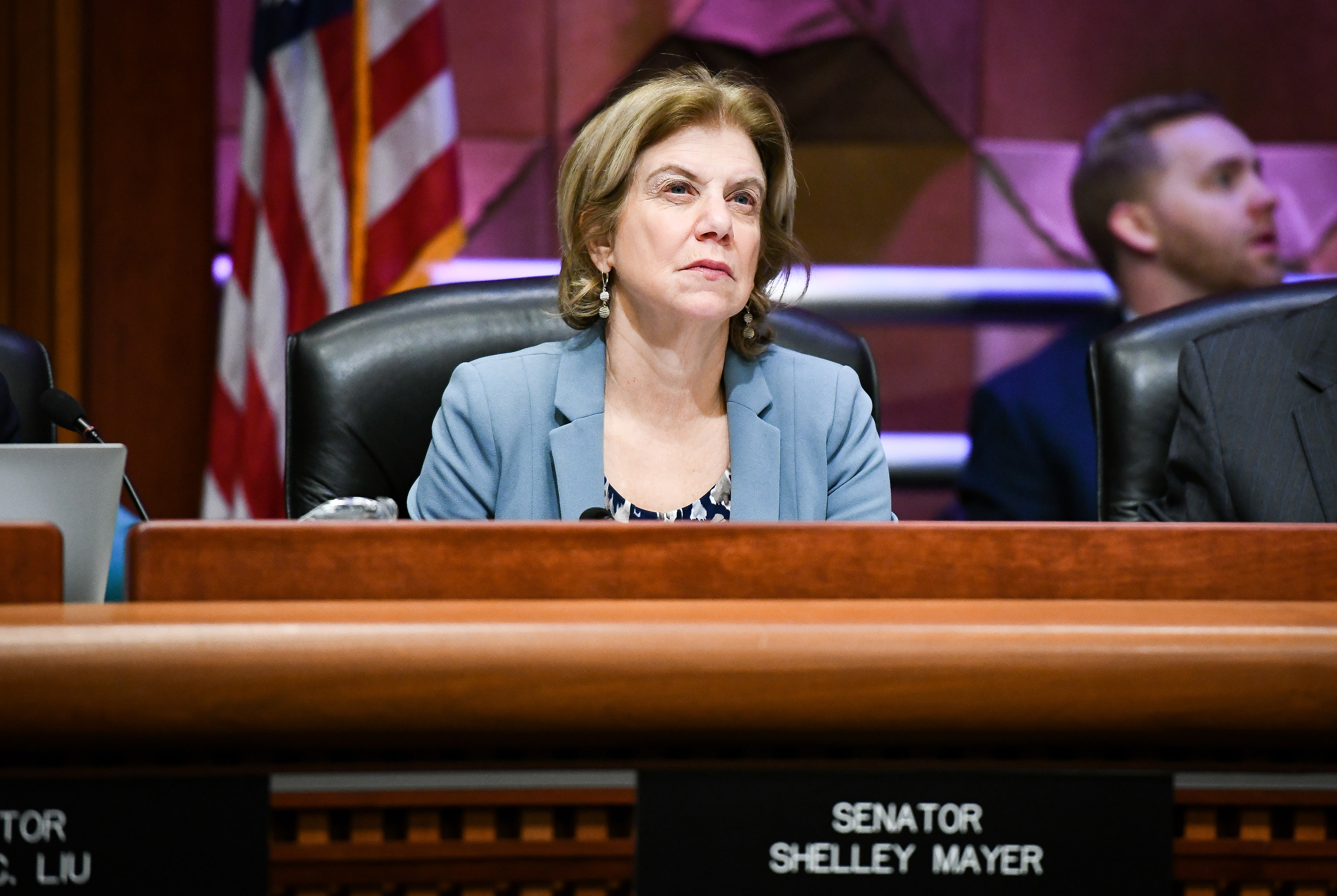
State Sen. Shelley Mayer called Con Edison bills her top constituent complaint and vowed to overhaul how utility rates are set in a podcast published Thursday, Sept. 10, on MyRye.com.
Mayer, who represents District 37 and chairs the Senate Education Committee, sat down with former Rye Mayor Doug French for Episode 21 of "MyRye.com Conversations with Doug French."
The conversation covered school funding formulas, Con Edison rate reform, a proposed state flooding office and nonprofit payment delays.
School funding: 'Fight for a fairer distribution'
Mayer said the state has now fully paid foundation aid owed to every district, including Rye, after years of underfunding that persisted even after a court ruling established the obligation.
But she said Rye still receives less per pupil than neighboring districts like Port Chester because the formula weighs property wealth heavily.
"People move to Rye for the school district, and I know that, but they pay exorbitant property taxes, school taxes," Mayer said. "And so my job is to get as much state money to every school district and then to fight for a fairer distribution, which is still on my list."
She pointed to transportation costs, health insurance premiums and special education expenses as major burdens for middle-class districts like Rye. She said she is focused on health insurance premiums in particular.
Mayer also said she secured additional state money to bridge a funding gap for Rye schools in a year when the district was short, tied to a dispute with the City of Rye over the Playland issue.
The state also corrected Westchester's regional cost index, which had previously grouped the county with upstate New York rather than the New York City region. That change pushed more foundation aid to Westchester districts.
Con Ed rates: 'A broken system'
Utility bills drew some of Mayer's sharpest language. She called the current rate-setting system "broken" and said $1,000 monthly bills are common for households in her district.
Mayer described a process in which Con Edison proposes a return on equity of about 10%, and the Public Service Commission negotiates it down to roughly 9% and declares victory. But that 9% applies to the delivery charge, she said, meaning bills stay high regardless of how much energy a customer uses.
She said her bill to overhaul the rate-setting methodology has passed the Senate every year but stalled in the Assembly. She plans to keep pushing it.
At a Dec. 3, 2025, press conference in White Plains, Mayer urged the PSC to reject Con Edison's Joint Proposal. The proposal called for annual electricity delivery rate increases of 4.3%, 5% and 3.3% over three years. Her bill, S.1896, would require utilities to adopt a common equity ratio set by the PSC.
In April 2026, Mayer and Assemblymember Chris Burdick submitted a joint brief to the PSC in a separate NYSEG rate case, calling for shifting costs from ratepayers to shareholders.
Flooding and nonprofits
Mayer described her push for a dedicated state flooding office to coordinate regional mitigation efforts after Hurricane Ida. Details of the proposal were discussed in the podcast but were not available in text form.
She also highlighted nonprofit payment reform. The Legislature in June 2026 passed two bills Mayer co-sponsored that would speed up state payments to contracted nonprofits. A May 2025 report by Nonprofit Westchester and coalition partners found the state owed at least $650 million to nonprofits, with one in three organizations holding state contracts waiting on overdue payments.
Those bills now await Gov. Kathy Hochul's signature.