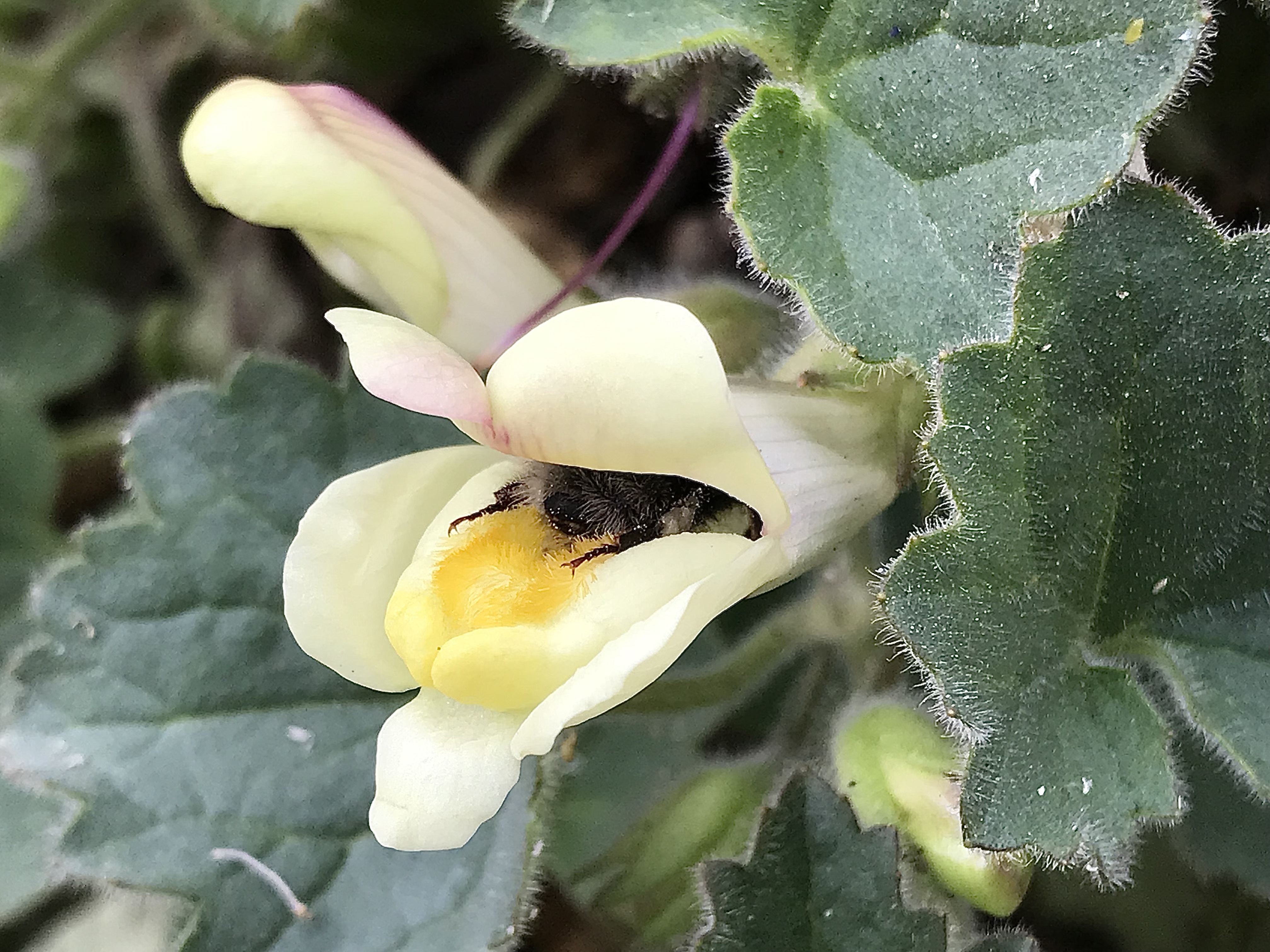
Sue Drouin wants Rye residents to stop mowing and start planting.
Drouin, owner of Fairspring, a native plant landscape design company she opened in 2018, has already converted patches of lawn into pollinator habitat at Rye Beach, Rye Gardens and Hix Park. Now she's offering neighbors a fall planting playbook rooted in the specific conditions of the Sound Shore.
"Think of your home garden as your habitat, one that is situated in an incredible ecosystem," Drouin told MyRye.com in an interview published Wednesday, Aug. 26. "My goal is to help people connect to and support that ecosystem, and the most efficient way to do that is to develop resilient native plant communities."
Drouin, who lives in the Rye Gardens neighborhood, trained at the New York Botanical Garden and recently completed a Wetland Delineator Certification through Rutgers University. She is also a Master Gardener volunteer through Cornell University's Westchester cooperative extension.
Projects already in the ground
At Rye Beach, Drouin installed understory flowering trees alongside native columbine, coral bells and wild geranium. The site uses collected rainwater for irrigation. No lawn to mow.
At Hix Park, she converted an area where grass struggled to grow into what she calls a pollinator oasis, featuring hyssop, little bluestem, aster and sneezeweed. In Rye Gardens, she reclaimed sections of lawn and filled them with butterfly weed, beebalm, tickseed and blanket flower to feed pollinators year-round.
Swapping invasives for natives
Rye's combination of rich soil, warm summers, severe winters and intense urbanization makes it among the most susceptible areas in the country to invasive plants, Drouin said. She identified five common offenders and their native replacements:
- Japanese spirea → summersweet or sweetspire
- Astilbe → goatsbeard
- English ivy → ferns, Canadian ginger or foamflower
- Liriope/lily turf → creeping phlox
- Shasta daisy → blanket flower or sneezeweed
The Lower Hudson Partnership for Regional Invasive Species Management (lhprism.org) maintains a current list of invasive species in the region.
Fall planting tips
For residents ready to dig this season, Drouin recommends asters, goldenrod, New York ironweed and common winterberry, which produces bright red berries that birds favor in late fall.
Her maintenance advice is simple. Don't cut spent flowers and seed heads. Leave them standing so birds can feed on the seeds. Rake leaves into flower beds rather than bagging them, and let fallen twigs decompose in place to shelter beneficial insects over winter.
Getting started
Residents new to native plants can consult the National Wildlife Federation's keystone plant list for ecoregion 8, which covers Eastern Temperate Forests. For affordable plugs, Drouin points to Izel Plants (izelplants.com) and the Westchester County Community College Native Plant Center's nursery list.
Drouin's company focuses on ecological assessment and native plant installation rather than traditional organic lawn care. She has worked with municipalities, parks and residential clients across the area.