Landscape designer Lucy Berkoff planted 200 native trees across Rye City School District campuses through an initiative called Spring For Rye.
Berkoff, who runs Lucy's Garden Life and serves as Chief Gardening Officer for Friends of Rye Town Park, detailed the effort and two other major projects in a MyRye.com profile published Friday, Aug. 28.
Her work spans a certified Monarch Waystation at Midland School, habitat restoration at Rye Town Park, and the district-wide tree planting.
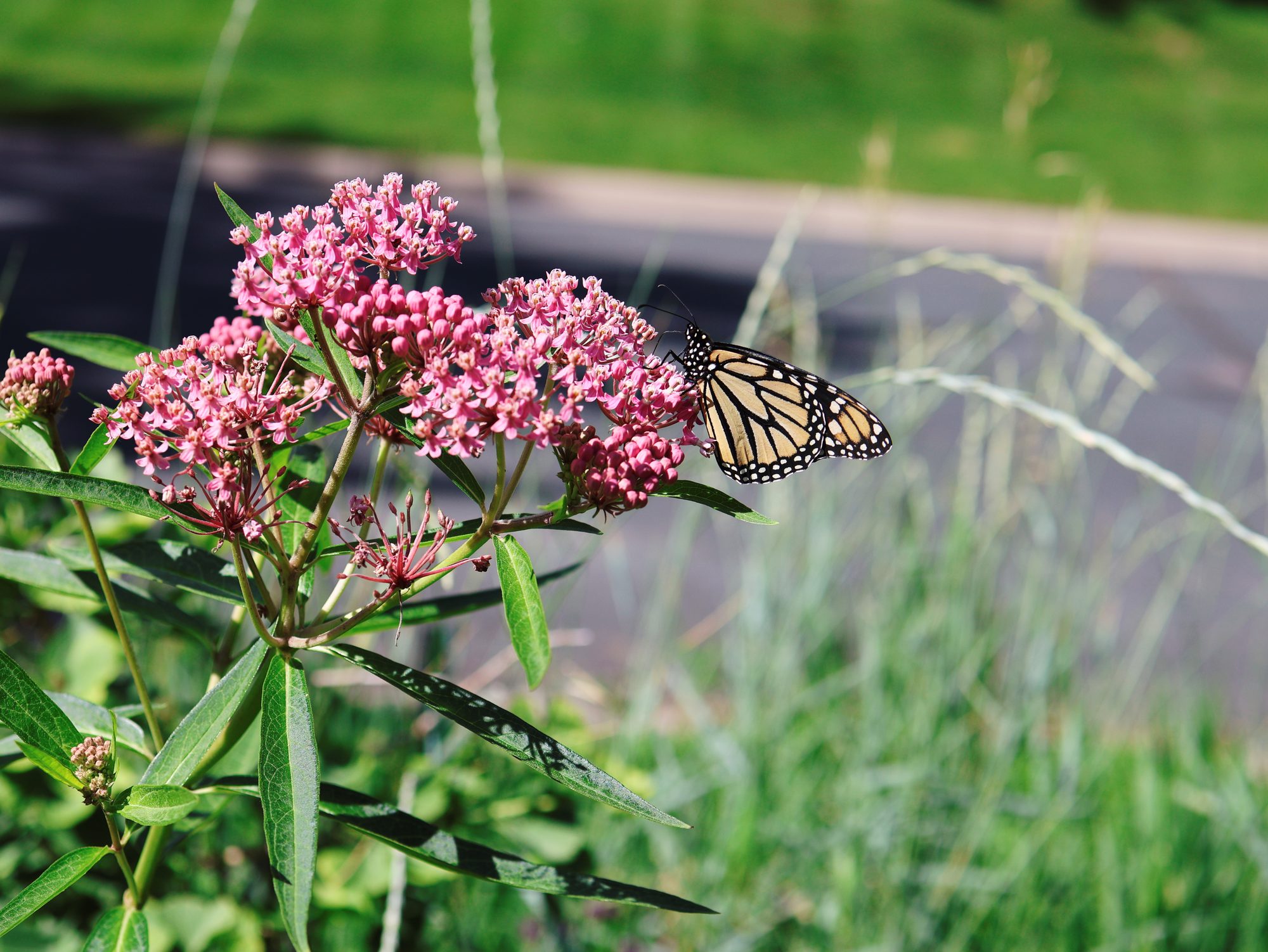
The Midland School project is the longest running. Beginn
ing around 2018, Berkoff worked with the Midland PTO and faculty to build a pollinator garden along the elementary school's sidewalk. The garden features milkweed, baptisia, rudbeckia, blueberries, rose mallow and echinacea. It holds certification as a Monarch Waystation, part of a network of more than 57,000 registered habitats worldwide. Berkoff said nearly every child who attended the K–5 school since 2018 helped plant or tend the garden.
At Rye Town Park, Berkoff and park director Russ Gold have collaborated since 2019, starting at the Dearborn corner.
In 2026, Berkoff removed a Bradford pear at the beach and replaced it with a native meadow. She also renovated the Tower Building gardens and designed the Charlie Northshield Outdoor Classroom at the pond and the Bill Lawyer Redbud grove along Rye Beach Avenue.
Spring For Rye may be the most ambitious effort.
Berkoff developed the initiative with district administrators Jennifer Crozier and Robert Gimigliano to replace invasive trees with native species. Each school's PTO and families across the broader Rye community contributed.
"With the incredible support of the RCSD Administration, each of the RCSD PTOs, and families throughout our entire greater Rye Community … we were able to plant a wide variety of 200 Native trees," Berkoff said.
Flood mitigation was a key goal alongside ecological restoration, she said.
Berkoff urged Rye homeowners to rethink their own yards. She recommended echinacea as the best beginner native plant, noting it attracts bees, butterflies and finches and grows in spaces as small as a balcony. She said home gardens should be at least 60–75% native to support the Sound Shore ecosystem.
Her fall advice is simple. Leave fallen leaves in planting beds, where insects and other creatures nest and overwinter.