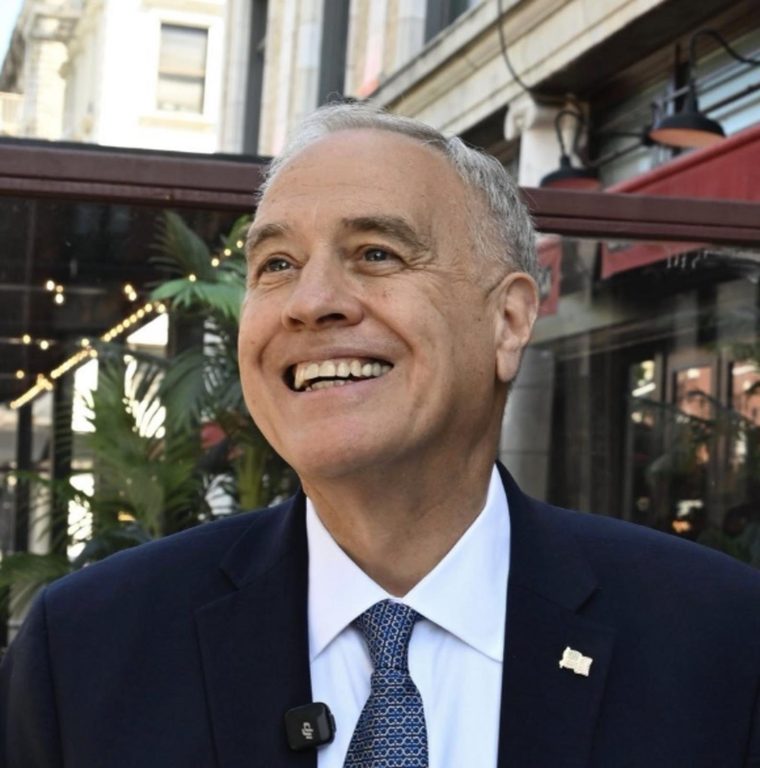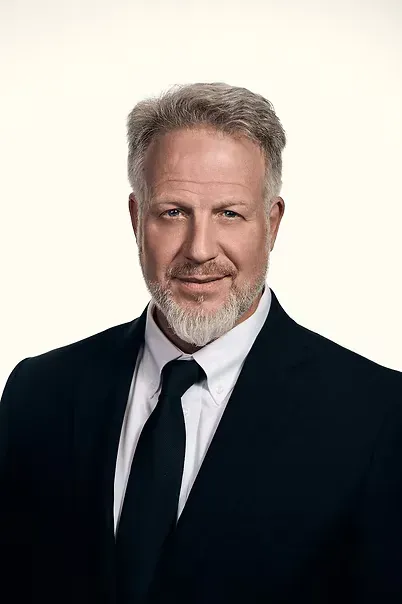
State Sen. Shelley B. Mayer is seeking re-election in New York’s 37th Senate District against Republican Thomas H. Fix Jr. on Nov. 3.
The state’s amended certification lists Mayer on the Democratic and Working Families lines. Fix appears on the Republican line only.
Experience
Mayer entered the Senate in April 2018 after six years in the Assembly, according to her official biography. She has chaired the Senate Education Committee since January 2019.
Her earlier legal career included service as an assistant attorney general from 1982 to 1994 and chief counsel to Senate Democrats. She holds a bachelor’s degree from UCLA and a law degree from SUNY Buffalo.
Questionnaire responses
Mayer submitted responses to a Surround Sound Media questionnaire on Oct. 7. She said she is seeking re-election to give constituents a voice in Albany and continue work on education and affordability.
Affordability: Mayer said she opposes Con Edison’s proposed rate increases and supports stronger oversight of utility rate-setting. She wants customers reimbursed when utilities fail to provide reliable service.
She also emphasized reducing child-care costs and expanding full-day prekindergarten. In her response, she described universal pre-K by 2028 as a state goal and highlighted her work on school funding.
Housing: Mayer said the state should offer incentives and infrastructure funding to communities building affordable housing. She said she opposed the governor’s 2023 Housing Compact because it excluded local voices and did not focus sufficiently on affordability.
Public safety: Mayer said she supported adjustments to bail and discovery rules giving judges more discretion in cases involving repeat offenders. She also supports police funding, mental-health and crisis response, gun-violence prevention and programs offering opportunities to residents.
Data centers: Mayer said developers should pay their own energy costs rather than shift them to utility customers. She favors separate rate classes, grid investment, water and environmental standards, and public hearings that give communities a voice.
Those policy descriptions summarize Mayer’s submitted answers. They are her stated positions rather than independent assessments of the proposals’ effects.
Responses are based on public data and answers to a Surround Sound Media questionnaire if they were provided.